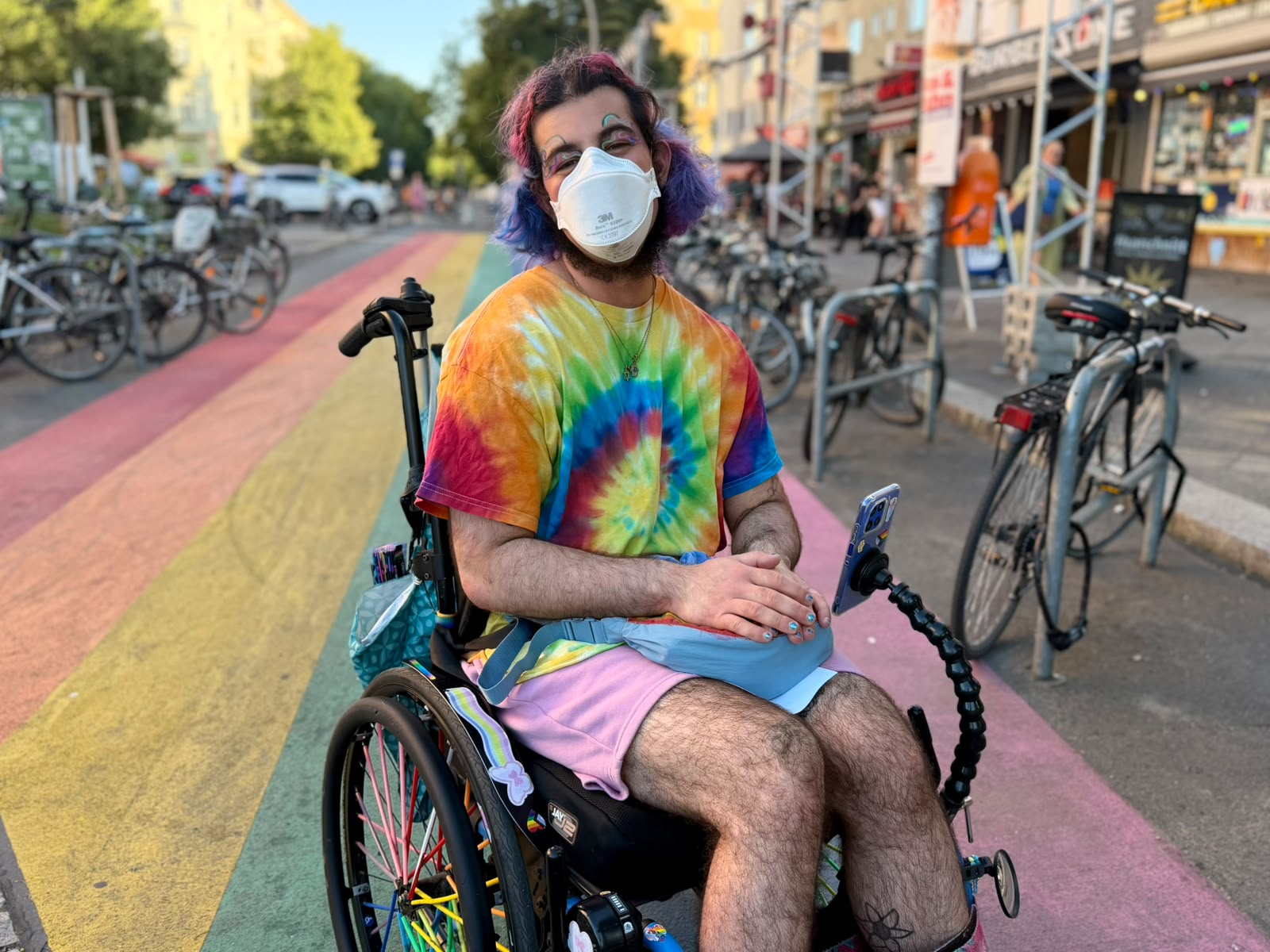
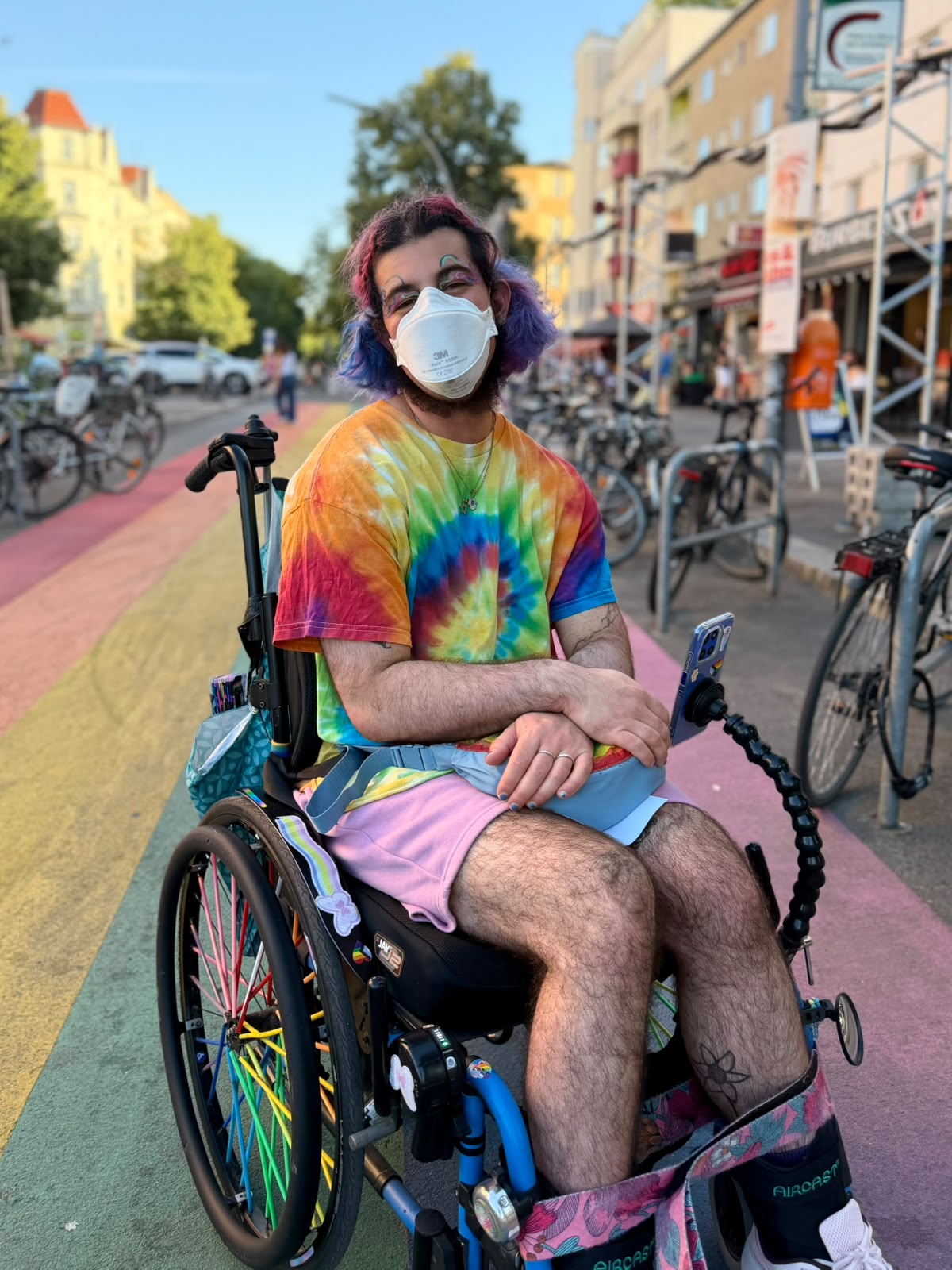
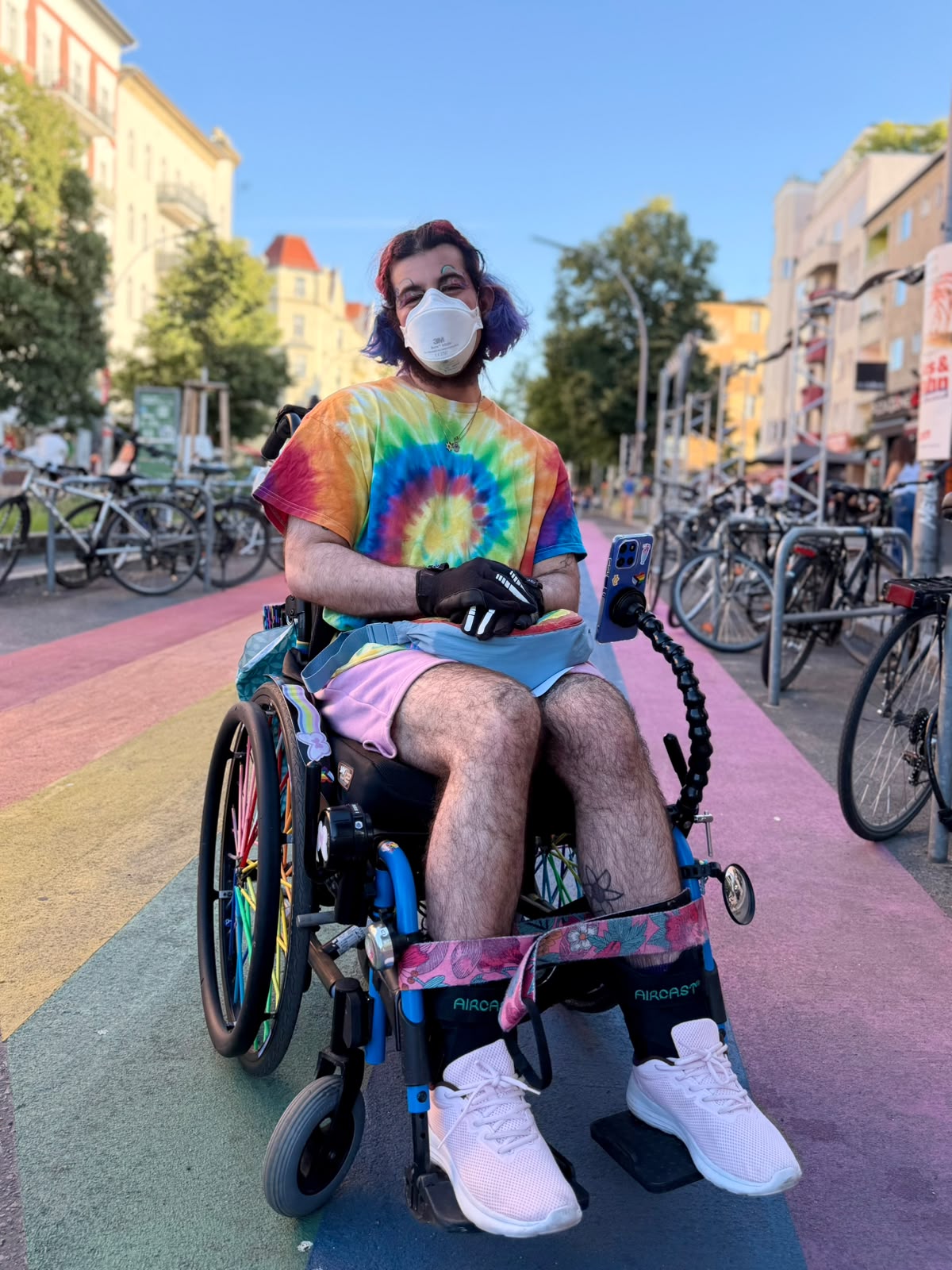
I was interviewed for the Burning Berlin Social Media as part of the production team! I was the sensitivity reader, cultural consultant and historical research assistant. This clip is an excerpt from a lovely conversation with Jennifer Berning ( https://www.jenniferberning.com/). She also took some really fantastic photos of me you can check out below alongside my extended interview answers.
https://www.jenniferberning.com/
– How did you discover the story of Charlotte and Toni? What intrigued you about it? Is there something that you can relate to on a personal level?
I learned about the story of Charlotte and Toni in 2023 when doing research for an audio documentary I made about the Hirschfeld institute. I was seeking to learn stories about individual transgender people, since so often our lives are summarized in tragic and inconclusive sentences and left only as footnotes.
But in reality, we existed loudly and proudly and in spaces that have left a mark on our city in ways that we do and do not yet fully understand. I was very compelled to learn more about Toni and Charlotte, and share their story with more people. I proposed to the Jewish Women’s archive to write an entry for Charlotte, and they accepted and she is now the only historical trans women on the website. There is a lack of representation of people with both queer and Jewish identities, and I felt a kinship to their lives and stories on many levels.
I too, like Charlotte have experienced antsemetic harassment in Mitte and Schöneberg. I too, have had to move because it was unsafe for me to move freely in my neighborhood. I have also had to struggle and beg and cross oceans and rivers and convince gatekeepers in order to receive my corrected US passport and gender affirming surgeries. I think about all the trans people now in the US who are not able to get birth certificates and passports with their correct name and gender, and how I only have mine because I applied 6 months before the current administration came to power. Learning about the struggles and survival efforts that Toni and Charlotte went through gives me strength and power to wake up and build a better, safe, softer and more loving world for my Jewish and trans siblings and elders.
– What did the process look like for you? Individually and working together with Mel, Fani and the team?
In my work as the research consultant and the sensitivity reader I provided Mel Fani and Giuseppina archival materials related to the lives of Charlotte, Toni, Lotte and Kate and provided context and my perspectives as queer trans Jewish person now on what the lives of people 100 years ago were like.
I especially loved going through the Die Freundin magazine and finding all the mentions of Toni Ebel and her painting of the Zauberflöte club. I gave insights into how to stage certain scenes so that they were not reproducing harmful propaganda, gave corrections to how people would talk to each other, and advised about if I thought something was inappropriate or not in good taste. I gave notes to the lyrics and script and when asked for my opinion I would help brainstorm how to communicate the history and content respectfully.
An example of this was when I corrected the team that Bat Mitzvahs did not exist 100 years ago, it was only the boys who were being called to the Torah to read as a part of this coming of age ritual. I discovered a very interesting document from 1938 that I stated that the Jewish community decided to provide prayer books for Jewish girls after numerous requests. The times were changing, and in 1935 Rabbi Regina Jonas became the first woman ordained as a Rabbi. In the script we changed the characters from talking about a Bat Mitzvah to a Bar Mitzvah.
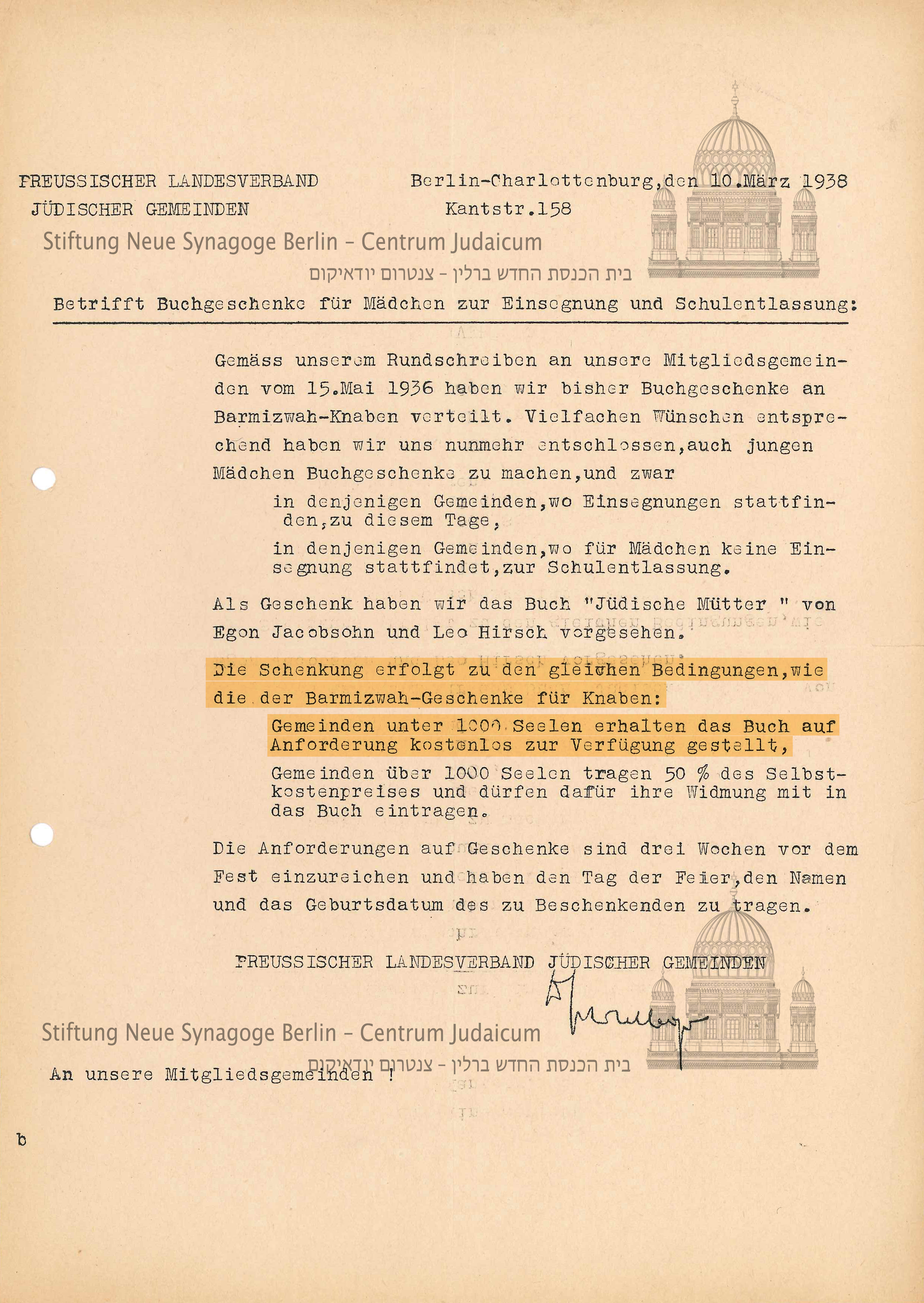
Whenever I find documents from the Holocaust, I feel it is important to spend time with the materials and really consider what happened not just 90 years ago. So many of our community was murdered and displaced, and with the 3 main characters of the play being Jewish women I felt it was my duty to give a voice to the complex reality of the Jewish experience and do my best to bridge the gap with the audience unfamiliar with our culture and traditions and to help build the empathetic connection for the audience to have with their stories.
– What was the most touching moment so far? What was the funniest moment? (Doing the research and/or working together)
Before I started working on the musical I was honored to have the ability to see some of Toni Ebel’s works that are in the collection of the Stadt Museum (now the Berlin Museum ) I was really moved by their presence, and knew that this artist would be someone who I spend time with a lot in my future. Her artwork has such a presence with the way she makes brushstrokes and uses color to bring out shadows and highlights that tell a layered story. I love her portraits of older women, and the queerness I see in how she paints with a queer gaze.
Now with this new musical and artwork we have the ability to witness how Fani and Mel brought Toni and Charlotte through the dialogue and how Terry wrote such great songs to awaken the movements and energy has been really beautiful. It is really special to be a part of this gathering of queer artists and people who care so much about our history to create this new work. I am very grateful.
– Why is it important to tell this story today?
With the rising jewish hatred and antisemitism that I and many of my community face in the world at large but particularly in the queer community, it is vital to have a story about three Jewish queer women so that people can glimpse into the multiple layers of targeted hatred that people before us faced, and be more aware of their own biases and narratives that still exist and cause harm in our scene to this day.
It is also important to platform Narratives of love and strength, solidarity and kindness in our world with so much darkness today. We need to represent onstage what has happened, and where our culture has blossomed from. We need to remember what was destroyed, the amount of life and love and art that was murdered and stolen from us during the Shoah. We need to find ways now to make the world of healing and resilience possible, and one of those paths is to remember who came before us, and our transistors and queer ancestors who built the paths we walk (or roll) on today.
https://spinnboden.de/angebot/burning-berlin-das-dyke-musical/

